
Information about peptides is widely available online, from product specifications and laboratory documentation to scientific research and educational resources. Because peptides can differ in their characteristics and intended applications, evaluating this information carefully can help readers distinguish documented facts from broad or unsupported claims.
What Are Peptides?
Peptides are short chains of amino acids involved in various biological processes. Individual peptides have different structures and properties, so information about one should not automatically be applied to another.
When researching peptides online, consider the specific peptide, its characteristics, intended use, and the context in which the information appears.
Review Product Information
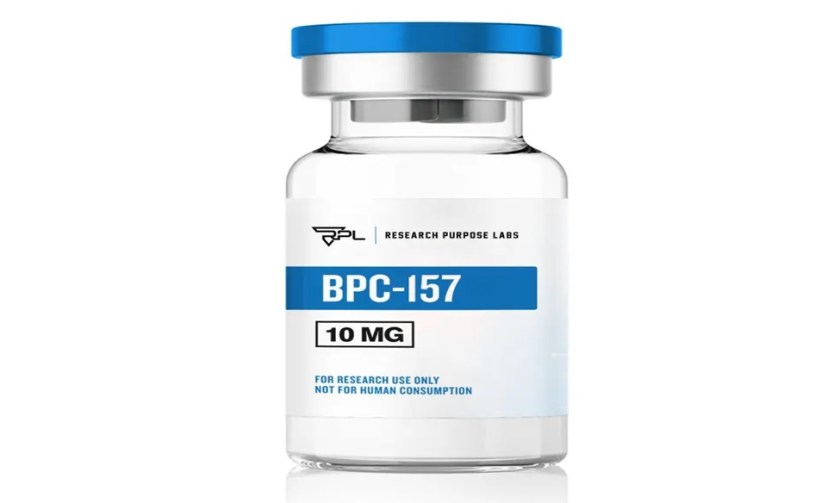
Detailed specifications can provide useful context about a peptide product. Relevant information may include the peptide name, stated quantity or concentration, formulation, intended use, storage requirements, batch identification, and stability information when applicable.
Clear documentation makes product information easier to evaluate, while vague descriptions or unsupported statements may require additional verification.
Check Testing Documentation
Testing documentation may provide information about product identity, composition, or purity. A certificate of analysis (COA), for example, may identify the product or batch tested, analytical methods, testing dates, and laboratory information.
Testing results should be interpreted within their stated scope. They describe specific product characteristics but do not necessarily establish suitability for a particular application or predict individual outcomes.
Evaluate Supporting Evidence
Peptide information may reference scientific publications, laboratory studies, or case studies. Consider what the evidence actually demonstrates.
Study design, methodology, sample size, publication source, and independent reproduction can affect how findings should be interpreted. Results from one study or case should not automatically be generalized to other circumstances.
Consider the Source and Intended Use
Look for transparency regarding sourcing, manufacturing, testing procedures, quality control, storage, and intended use. Comparing information from credible sources can provide additional context.
Peptides may be discussed in research, laboratory, cosmetic, and healthcare settings. Information relevant to one context may not apply to another. Applicable regulations and professional requirements can also vary.
When medical decisions are involved, online information should not replace guidance from a qualified healthcare professional.
Final Thoughts
Understanding peptides online requires reviewing specifications, testing documentation, intended use, and supporting evidence. Comparing credible sources and distinguishing documented findings from unsupported claims can help readers evaluate peptide-related information more carefully, accurately, and responsibly.
This post was written by a professional at Research Purpose Labs. Research Purpose Labs is a full-service research services company in St. Petersburg, Florida, specializing in research solutions and laboratory services. As one of the leading research services companies near you, we serve clients throughout the St. Petersburg, Florida area. Our experienced team provides expert guidance and reliable solutions, making us a trusted choice for research services near you focused on quality, value, and performance.

