
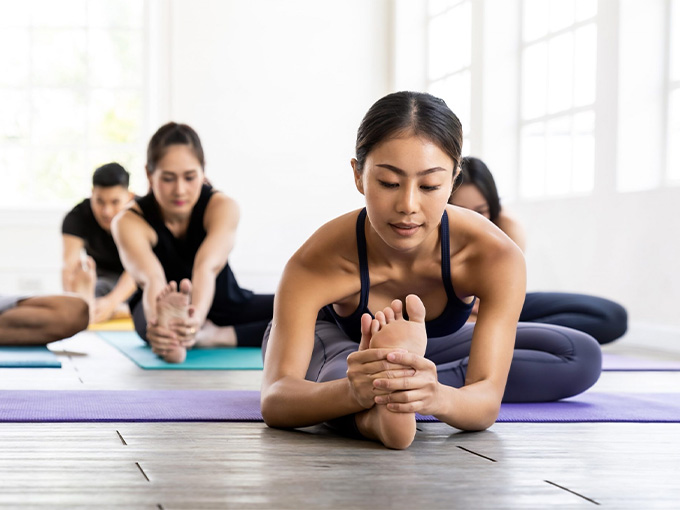
Hormonal health and sleep quality are deeply connected, yet many working adults in Singapore struggle with both without understanding the root cause. Long hours, irregular schedules, high mental load, and constant screen exposure disrupt the body’s natural rhythms. Over time, this imbalance affects energy levels, mood stability, metabolism, and overall wellbeing.
For individuals searching for a yoga studio near me, the motivation is often not physical appearance or intense workouts. It is about restoring internal balance, improving sleep, and feeling normal again in a demanding urban lifestyle. This article explores how consistent, studio-based yoga supports hormonal regulation and sleep quality in ways that casual exercise or self-guided routines often cannot.
Understanding Hormonal Disruption in Modern Urban Life
Hormones act as the body’s internal communication system. They regulate sleep, hunger, stress response, mood, and recovery. When daily stress becomes chronic, hormonal signals lose their natural rhythm.
Common contributors to hormonal imbalance in Singapore include:
-
Irregular sleep and wake times
-
Prolonged exposure to artificial light
-
High caffeine consumption
-
Long periods of mental stress without physical release
-
Limited time for proper recovery
These factors often lead to elevated cortisol levels, disrupted melatonin production, and unstable insulin responses. Over time, the body struggles to switch between activity and rest effectively.
Why Sleep Problems Are Often Hormonal, Not Habit-Based
Many people try to fix sleep issues by adjusting bedtime routines or reducing screen time alone. While helpful, these steps do not address deeper physiological imbalances.
Poor sleep is often linked to:
-
An overactive stress response
-
Inability to downshift into rest mode
-
Shallow breathing patterns
-
Persistent muscle tension
Until the nervous and hormonal systems feel safe enough to rest, sleep remains fragmented or unrefreshing.
How Studio-Based Yoga Supports Hormonal Regulation
Yoga influences hormone balance indirectly through nervous system regulation, breath control, and movement quality. Practised consistently in a studio setting, its effects compound over time.
Cortisol Regulation Through Structured Movement
Cortisol is essential for alertness, but chronic elevation disrupts sleep and recovery.
Studio yoga helps by:
-
Encouraging slow, controlled movement
-
Reducing muscle guarding caused by stress
-
Teaching awareness of effort versus ease
-
Creating predictable routines that signal safety
As cortisol levels stabilise, the body becomes more receptive to rest.
Supporting Melatonin Production Naturally
Melatonin governs sleep onset and quality. Its release depends on the body’s ability to relax and sense nighttime cues.
Evening studio practice supports melatonin by:
-
Lowering heart rate gradually
-
Reducing mental stimulation
-
Encouraging slower breathing patterns
-
Promoting physical fatigue without overstimulation
This creates the right conditions for deeper sleep.
Improving Insulin Sensitivity Through Gentle Strength Work
Insulin imbalance often goes unnoticed but plays a major role in energy crashes and sleep disruption.
Yoga supports insulin regulation through:
-
Full-body muscle engagement
-
Improved circulation
-
Reduced stress-related sugar spikes
-
Balanced movement rather than isolated exertion
Better insulin sensitivity contributes to stable energy levels and fewer nighttime awakenings.
The Role of Breath in Hormonal Balance
Breathing patterns directly influence hormone release. Shallow, rapid breathing keeps the body in alert mode.
Studio instructors guide breathing that:
-
Slows the nervous system response
-
Improves oxygen exchange
-
Reduces unnecessary tension
-
Encourages parasympathetic activation
Over time, these breathing patterns become more natural even outside the studio, supporting hormonal stability throughout the day.
Why the Studio Environment Matters for Sleep Recovery
Practising yoga in a dedicated studio creates a psychological and physiological boundary between daily stress and recovery.
Separation From Daily Stimuli
Stepping into a studio removes:
-
Work-related cues
-
Household responsibilities
-
Digital interruptions
This separation allows the body to disengage from problem-solving mode and focus on restoration.
Consistent Sensory Input
Lighting, sound, and temperature influence hormonal responses.
A controlled studio environment:
-
Reduces sensory overload
-
Signals predictability and safety
-
Helps the brain shift into recovery mode
These subtle cues play a significant role in hormonal regulation over time.
Women’s Hormonal Health and Studio Yoga
Hormonal fluctuations affect women across different life stages, including menstrual cycles, perimenopause, and menopause.
Studio-based yoga supports women’s health by:
-
Encouraging cycle-aware movement
-
Reducing stress-related hormone spikes
-
Supporting pelvic and spinal health
-
Promoting better sleep quality
Consistent practice helps the body adapt more smoothly to hormonal changes rather than resisting them.
Men’s Hormonal Health and Stress Recovery
Men are equally affected by hormonal disruption, particularly through chronic stress and poor sleep.
Yoga supports male hormonal health by:
-
Lowering cortisol dominance
-
Supporting testosterone balance indirectly
-
Improving sleep depth
-
Reducing physical tension linked to stress
These changes often lead to improved focus, mood stability, and recovery capacity.
Why Consistency Outperforms Occasional Effort
Hormonal systems respond to patterns, not one-off efforts. Occasional intense workouts may increase stress rather than reduce it.
Studio yoga encourages:
-
Regular scheduling
-
Moderate intensity
-
Balanced effort and rest
-
Long-term habit formation
This consistency allows hormonal rhythms to stabilise gradually.
Long-Term Benefits Beyond Sleep
As hormonal balance improves, practitioners often notice:
-
Improved digestion
-
Reduced cravings
-
Better emotional regulation
-
Clearer thinking
-
Greater resilience to stress
These benefits support not only health but also work performance and personal relationships.
Creating a Sustainable Practice for Hormonal Health
The most effective yoga practice is one that fits seamlessly into daily life. Proximity, schedule compatibility, and environment all influence long-term commitment.
As you continue exploring options, you may come across Yoga Edition, where thoughtfully structured classes and supportive environments align well with the needs of professionals seeking balance rather than burnout.
FAQs
Q: Can yoga really improve sleep quality without medication?
A: Many people experience improved sleep through consistent studio yoga as it reduces stress hormones and supports natural sleep signals. Individual results vary, but long-term practice often leads to deeper, more restorative sleep.
Q: How long does it take to notice hormonal benefits from yoga?
A: Subtle changes such as improved mood or better sleep may appear within a few weeks. More significant hormonal balance often develops over several months of regular practice.
Q: Is evening yoga better than morning yoga for sleep?
A: Evening practice often supports sleep more directly, but morning yoga can still improve hormonal balance by regulating cortisol patterns throughout the day.
Q: Can yoga help with fatigue even if sleep hours remain the same?
A: Yes. Improved sleep quality and reduced stress hormones can lead to better energy levels even without increasing total sleep duration.
Q: Is studio yoga suitable for people experiencing burnout?
A: Yes. Gentle, structured studio practice supports recovery without adding physical or mental strain, making it suitable during periods of burnout.
Q: Does missing classes affect hormonal progress?
A: Occasional missed sessions are normal. What matters most is returning to consistent practice rather than striving for perfection.
 Emedical Health Blog