
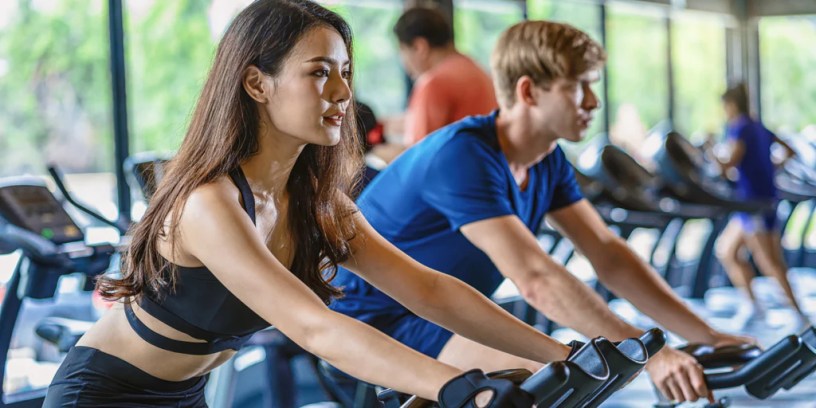
An indoor spin class is often celebrated for its cardiovascular benefits and calorie-burning potential, but many people overlook its powerful role in building functional strength. The repetitive pedalling, resistance variations, and controlled postures work not just your legs but your entire body. Whether you are carrying groceries, climbing stairs, or maintaining good posture throughout the workday, the strength developed on the bike translates directly into daily activities.
In Singapore, where many professionals spend long hours sitting, functional fitness is more important than ever. A consistent spin routine strengthens key muscle groups that support mobility, balance, and endurance — helping you move efficiently and stay pain-free as you age.
What Is Functional Strength?
Functional strength refers to the ability to perform everyday tasks with ease and stability. It focuses on training multiple muscle groups together to improve coordination, balance, and real-world movement efficiency. Unlike traditional weightlifting, which often isolates muscles, spinning engages large muscle chains through natural, compound movements.
When you ride, your lower body drives the pedals while your core and upper body stabilise your posture. Over time, this coordination strengthens your entire kinetic chain — the interconnected system of muscles that supports movement. The result is not just fitness for the gym but strength that makes ordinary life easier and safer.
Strengthening the Lower Body: The Powerhouse Muscles
Your legs do most of the work in a spin class, but the benefits extend far beyond visible toning. Each pedal stroke activates major muscle groups including the quadriceps, hamstrings, glutes, and calves.
-
Quadriceps: Located at the front of your thighs, these muscles power the downward pedal stroke and support knee extension.
-
Hamstrings: These muscles assist in pulling the pedal upward, balancing the work of your quadriceps and stabilising your hip joint.
-
Glutes: Engaged during climbs and high-resistance intervals, strong glutes improve posture, protect the lower back, and enhance overall power output.
-
Calves: They control ankle movement, absorb impact, and aid balance during transitions between sitting and standing positions.
This combination of muscular engagement strengthens your lower body in a way that improves your ability to walk, run, and lift objects safely. Stronger legs also mean better endurance in daily life — less fatigue during long commutes or errands.
Engaging the Core for Everyday Stability
Every spin session is an opportunity to train your core. The constant need to stabilise your torso while pedalling forces your abdominal and lower back muscles to stay active. A strong core supports balance, reduces the risk of lower back pain, and enhances body alignment during daily movements.
By maintaining an upright and stable position on the bike, you naturally engage the core muscles. This stability transfers directly to real-world situations such as maintaining posture while sitting, bending to pick something up, or balancing on uneven surfaces.
Think of your core as the anchor for every movement you make. The stronger it becomes through spinning, the easier and safer daily motions feel.
Upper Body Support and Endurance
Although the upper body does not perform the same level of movement as the legs, it plays an essential supporting role in every ride. Your shoulders, arms, and back work together to stabilise the upper body, particularly when you increase resistance or stand on the pedals.
Proper posture during class prevents shoulder rounding and improves spinal alignment. The light grip on the handlebars activates your forearms and wrist stabilisers, strengthening the smaller muscles often neglected in traditional training. Over time, this reduces strain from desk work and typing — two common causes of stiffness among professionals in Singapore.
Building Muscular Endurance, Not Just Bulk
Spinning develops lean, strong, and fatigue-resistant muscles rather than bulky mass. Because classes typically combine high repetitions with controlled resistance, the muscles adapt by improving endurance rather than size. This kind of strength is practical and sustainable, supporting daily movement without restricting flexibility.
Muscular endurance plays a key role in reducing fatigue during long days. Tasks like carrying children, climbing stairs, or performing household chores become noticeably easier when your muscles are conditioned for long-term effort.
Improving Joint Health and Flexibility
Cycling is a low-impact activity, meaning it places less stress on the joints compared to running or jumping. This makes it an ideal exercise for strengthening muscles while protecting ligaments and tendons.
The continuous circular motion of pedalling keeps joints lubricated and encourages flexibility, especially in the hips and knees. Regular participation helps maintain joint range of motion, preventing stiffness and promoting fluid movement. For individuals who experience mild arthritis or joint sensitivity, spinning offers an effective way to stay active without aggravating discomfort.
Enhancing Coordination and Balance
An indoor spin class challenges both mind and body to stay in sync. Coordinating pedal strokes, adjusting resistance, and maintaining rhythm with music develop neuromuscular control — the ability of your brain and muscles to work together efficiently.
Improved coordination leads to better balance, quicker reflexes, and enhanced body awareness. These qualities are essential for everyday safety, especially in preventing falls or injuries. As your control improves on the bike, you’ll notice greater confidence and precision in your movements off it.
Translating Spin Strength to Daily Life
The benefits of spin training extend well beyond the studio. Here’s how improved functional strength supports real-world movement:
-
Carrying groceries: Stronger legs and core muscles make lifting and walking with heavy bags easier.
-
Climbing stairs: Enhanced endurance and glute activation reduce strain on the knees and hips.
-
Posture at work: Core engagement from cycling promotes spinal alignment, reducing neck and back pain from prolonged sitting.
-
Household tasks: Improved coordination makes bending, lifting, and reaching movements more fluid and controlled.
-
Travel and commuting: Greater stamina helps you stay active and alert throughout long days.
Each class you attend builds subtle improvements that compound over time, leading to smoother, stronger, and more efficient movement patterns in daily life.
Mind-Muscle Awareness: The Functional Key
One of the reasons spin training enhances functional strength so effectively is its emphasis on mind-muscle connection. Every movement requires awareness — from maintaining pedal rhythm to controlling resistance changes.
This mindful engagement helps riders understand how their bodies move, which translates to safer and more deliberate actions outside class. Over time, you develop an intuitive understanding of your posture, balance, and effort levels, reducing the risk of accidental strain or injury.
Why Consistency Is Essential
Functional strength develops gradually, and consistency is the key to progress. Attending spin sessions two or three times per week provides enough frequency to build muscle memory and endurance. Skipping long periods between workouts can slow adaptation and make you lose some of the coordination gained.
To maintain steady progress, vary your intensity levels. Mix endurance rides with strength-based climbs to challenge different muscle groups. Always prioritise proper form over speed or resistance. This approach keeps your body balanced and injury-free while delivering continuous improvement.
The Role of Professional Instruction
A professional environment like TFX ensures that every participant trains with proper form and intensity. Skilled instructors provide guidance on body alignment, resistance adjustment, and breathing techniques that enhance safety and effectiveness. The structured sessions help participants maximise both strength and cardiovascular benefits, ensuring every movement supports functional goals.
Professional feedback is particularly important for beginners who may unknowingly adopt poor posture or uneven pedalling habits. A supportive class structure ensures that corrections are made early, allowing progress to build safely over time.
Real-Life FAQs
1. Can indoor spin class replace weight training for strength?
While spin classes build muscular endurance and tone, they don’t completely replace resistance training. Combining spinning with occasional bodyweight or strength workouts offers the best overall results.
2. Why do my knees feel sore after class?
Incorrect seat height or improper resistance settings may cause knee discomfort. Adjust your bike so your legs have a slight bend at the lowest pedal point to relieve joint stress.
3. How does spinning help with posture?
The constant engagement of the core and back muscles during cycling strengthens stabilisers that maintain upright posture throughout daily activities.
4. Does spin training improve flexibility?
Yes. The continuous circular motion promotes joint mobility and reduces stiffness, especially in the hips and knees.
5. How soon will I notice improvements in daily strength?
You can expect noticeable changes in stamina, coordination, and leg strength within four to six weeks of consistent sessions.
Functional strength is about more than muscle power — it’s about movement efficiency and control. Through regular indoor spin classes, you’re not only improving endurance but also developing the kind of everyday strength that enhances your comfort, mobility, and confidence in every part of life.
 Emedical Health Blog